End Side Table Buying Guide: Styles, Materials, Trends, and Market Opportunities
In today's furniture market, the end side table has become much more than a simple decorative piece. Whether placed beside a sofa, bed, lounge chair, or reception seating area, an end side table serves both functional and aesthetic purposes. As global demand for modern furniture continues to grow, retailers, distributors, interior designers, and project contractors are actively seeking versatile end tables that combine durability, style, and commercial value.
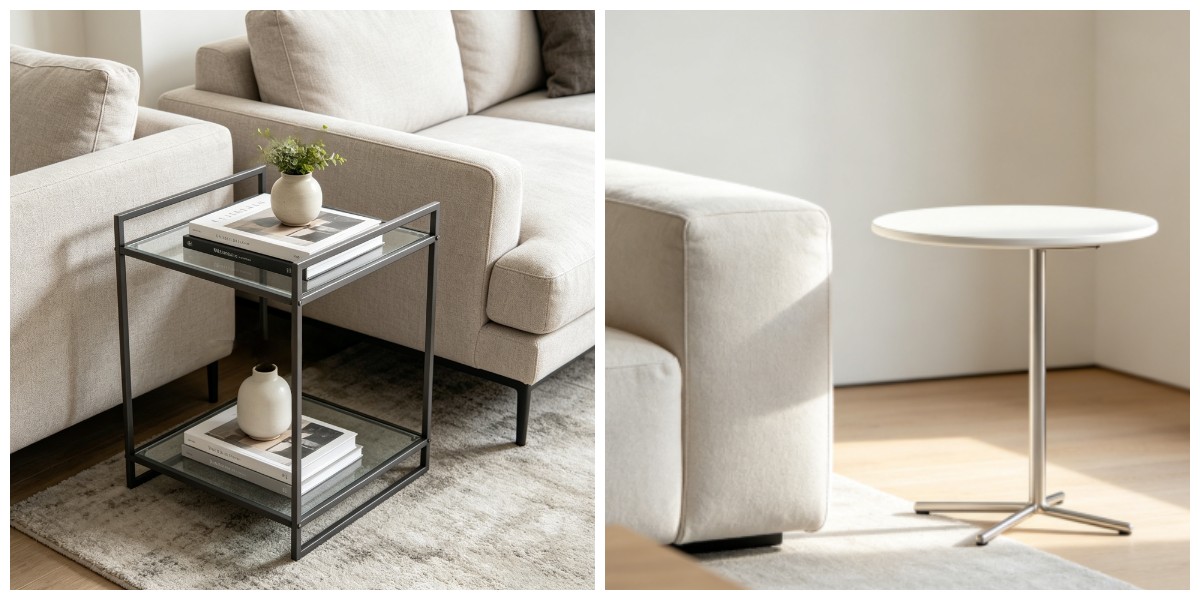
Among the most popular designs, the black glass end side table and modern white round end table have emerged as top-selling products in residential and commercial markets. Their clean lines, contemporary appeal, and adaptability make them suitable for a wide range of interior applications.
This article explores the end side table market from multiple perspectives, including design trends, material innovations, manufacturing processes, consumer preferences, and sourcing opportunities.
Why End Side Tables Remain Essential in Modern Interiors
The popularity of the end side table stems from its versatility and practicality. Unlike larger furniture pieces, tables can easily fit into various room layouts while providing convenient storage and display space.
Functional Benefits
An end side table can be used for:
-Holding beverages snacks
-Supporting table lamps
-Displaying decorative accessories
-Organizing books and magazines
-Providing a surface for electronic devices
In both residential commercial environments, these functions contribute to improved convenience and comfort.
Aesthetic Enhancement
Beyond functionality, an end side table helps complete an interior design scheme. The right table can create visual balance, add texture, and reinforce the overall style of a room.
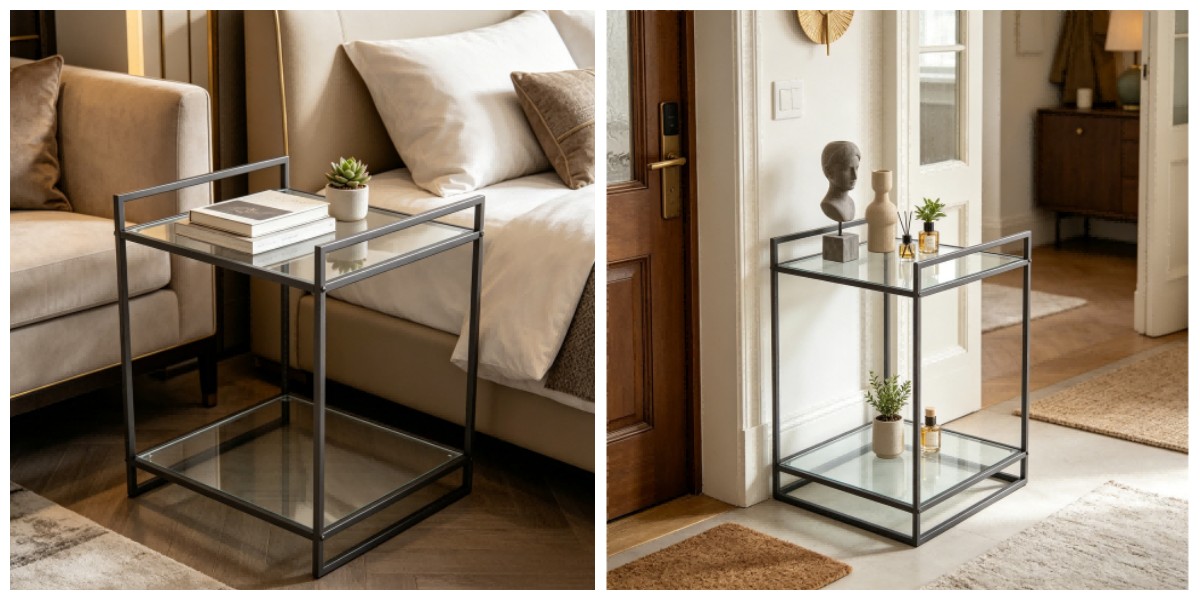
For example, a black glass end side table often adds sophistication and luxury, while a modern white round end table creates a clean, minimalist atmosphere.
Popular End Side Table Styles Driving Market Demand
Consumer preferences continue to evolve, leading manufacturers to develop a wide variety of designs.
Contemporary Minimalist Designs
Minimalism remains one of the strongest trends in furniture design worldwide.
Key characteristics include:
-Clean geometric lines
-Neutral color palettes
-Compact dimensions
-Lightweight visual appearance
A modern white round end table perfectly represents this trend. Its simple shape and bright finish allow it to blend seamlessly into modern apartments, luxury homes, and hospitality projects.
Glass and Metal Combinations
The combination of tempered glass and metal frames has become increasingly popular among designers and consumers.
A black glass end side table offers:
-Elegant visual appeal
-Easy maintenance
-Durability
-Compatibility with multiple décor styles
These advantages have made glass-top furniture a preferred option for hotels, executive lounges, and upscale residential spaces.
Multifunctional End Tables
Today's consumers expect furniture to serve multiple purposes.
Modern end side tables may include:
-Storage compartments
-Drawers
-Modular structures
This trend is particularly important in urban areas where space optimization is a priority.
Material Selection and Its Impact on Product Performance
Material quality plays a critical role in the durability, appearance, and market value of an end side table.
Tempered Glass
Tempered glass is widely used in the production of a black glass end side table because it offers enhanced strength and safety.
Benefits include:
-High impact resistance
-Scratch resistance
-Easy cleaning
-Long service life
Many premium furniture manufacturers use tempered glass that complies with international safety standards.
Metal Frames
Metal remains one of the most popular structural materials due to its strength and modern appearance.
Common options include:
-Stainless steel
-Carbon steel
-Aluminum alloy
-Powder-coated steel
When paired with glass surfaces, metal frames create a sophisticated and contemporary look.
Engineered Wood and MDF
For cost-effective furniture solutions, many manufacturers utilize MDF or engineered wood.
These materials offer:
-Consistent quality
-Smooth finishes
-Excellent paint adhesion
-Lower production costs
Many modern white round end table models utilize high-quality MDF with durable lacquer finishes.
Manufacturing Process Behind High-Quality End Side Tables
Understanding the manufacturing process helps buyers evaluate supplier capabilities and product quality.
Design Development
The process begins with market research and product design.
Manufacturers analyze:
-Consumer preferences
-Interior design trends
-Market demands
-Material innovations
Advanced CAD software is often used to create precise product specifications.
Component Production
For a black glass end side table, the production process typically includes:
1.Glass cutting
2.Edge polishing
3.Tempering treatment
4.Surface coloring
5.Frame fabrication
6.Powder coating or electroplating
Each stage requires strict quality control to ensure consistency.
Assembly and Inspection
Before packaging, every end side table undergoes comprehensive inspections such as:
-Structural stability testing
-Surface finish evaluation
-Load-bearing tests
-Packaging verification
These procedures help minimize defects and ensure customer satisfaction.
Market Trends Shaping the Future of End Side Tables
The furniture industry continues to experience significant transformation driven by changing lifestyles and consumer expectations.
Growth of Urban Living
As urban populations expand, living spaces are becoming smaller.
Consumers increasingly seek:
-Compact furniture
-Multifunctional designs
-Space-saving solutions
The end side table fits perfectly within this trend due to its flexibility and practical dimensions.
Increased Demand for Luxury-Inspired Furniture
Many consumers want affordable furniture that delivers a premium appearance.
Products such as the black glass end side table satisfy this demand by offering:
-Luxury aesthetics
-Modern styling
-Competitive pricing
This trend is particularly strong in North America, Europe, and the Middle East.
Sustainable Manufacturing Practices
Environmental responsibility is becoming a key purchasing factor.
Furniture manufacturers are investing in:
-Recyclable materials
-Low-emission coatings
-Sustainable sourcing
-Eco-friendly packaging
These initiatives help suppliers meet the requirements of environmentally conscious buyers.
How to Choose the Right End Side Table for Different Markets
Different regions often have unique design preferences and purchasing behaviors.
North American Market
North American consumers generally favor:
-Functional furniture
-Neutral colors
-Modern aesthetics
The modern white round end table remains highly popular in contemporary residential projects.
European Market
European buyers often prioritize:
-Sustainable materials
-Minimalist designs
-High-quality craftsmanship
Glass and metal combinations continue to perform strongly throughout Europe.
Middle Eastern Market
Luxury finishes and premium materials are especially valued in Middle Eastern markets.
A well-designed black glass end side table can effectively meet these preferences while maintaining modern appeal.
E-Commerce and Digital Opportunities for End Side Table Suppliers
Online furniture sales continue to grow rapidly across global markets.
Visual Appeal Drives Online Sales
Furniture products with strong visual characteristics often perform better in digital marketplaces.
The reflective surface of a black glass end side table photographs exceptionally well, helping attract customer attention and improve click-through rates.
Why Buyers Continue to Invest in Modern End Side Tables
The global furniture market remains highly competitive, yet the end side table continues to demonstrate strong sales performance due to its practicality, affordability, and design flexibility.
Whether buyers prefer the sophisticated appearance of a black glass end side table or the clean elegance of a modern white round end table, these products address multiple market demands simultaneously.
For wholesalers, distributors, furniture retailers, and project contractors, investing in high-quality end side table collections presents significant business opportunities. As consumer preferences continue shifting toward modern, multifunctional, and visually appealing furniture, demand for innovative end side table designs is expected to remain strong for years to come.
By focusing on quality materials, advanced manufacturing techniques, sustainable production practices, and market-driven design trends, furniture suppliers can successfully position their products in both established and emerging markets while capturing the growing global demand for contemporary end tables.