What is the Trend in Easter Decor in 2026?
For distributors, importers, project contractors, and procurement managers, understanding the 2026 Easter decor trends is critical to staying competitive in the global seasonal decor market. The global seasonal decor for easter market is projected to grow at a CAGR of 5.8% through 2030, with 2026 seeing a significant shift toward sustainable, design-forward, and technically advanced products—driven by rising consumer demand for eco-friendly solutions and the growing influence of global design trends (per 2026 Global Seasonal Decor Industry Report).
Top 3 Easter Decor Trends in 2026
The 2026 Easter decor market is defined by three core trends that align with global consumer preferences, manufacturing innovations, and procurement efficiency. Each trend includes technical specifications, material recommendations, and procurement considerations to help buyers make informed decisions when sourcing seasonal decor for easter.
1. Sustainable & Eco-Certified Easter Decor: Driven by Global Standards
Key technical specifications for sustainable seasonal decor for easter include:
•Biodegradable Materials: Biodegradable latex balloons (1.8g+ weight, 0.12mm thickness) compliant with EN 71-1 safety standards, with a 90-day degradation rate in natural environments. Avoid PVC-based balloons, which are being phased out in EU and US markets.
• Recycled & FSC-Certified Materials: Recycled polyester fabric (180-220 g/m² weight) for tablecloths and backdrops, meeting ISO 105-B02 UV colorfastness standards (4-5 rating). FSC-certified rattan and jute for baskets and centerpieces, treated with water-based sealants (VOC content ≤ 50g/L) to resist mold.
• Low-Impact Manufacturing: Suppliers should hold ISO 9001 certification and use energy-efficient production processes, with carbon footprint disclosure for bulk orders. This aligns with the global shift toward “green procurement” in the seasonal decor industry.
Procurement Tip: Prioritize suppliers that offer “cradle-to-cradle” design for seasonal decor for easter, such as modular bunny figurines made from willow that can be repurposed or recycled after the Easter season. This reduces end-client waste and enhances your product’s marketability.
Design Fusion: Poetcore & FunHaus Aesthetics in Easter Decor
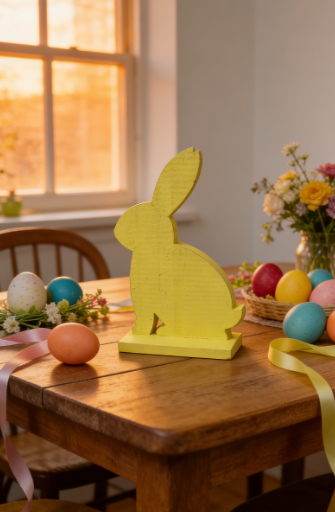
2026 Easter decor trends are heavily influenced by 2026 global home design trends—specifically Poetcore and FunHaus aesthetics—shifting away from traditional pastels toward more intentional, emotionally resonant designs. For B2B buyers, this means sourcing seasonal decor for easter that blends natural elements (Poetcore) with playful, relaxed accents (FunHaus), creating versatile products that appeal to both residential and commercial clients.
Technical details and design specifications for this trend:
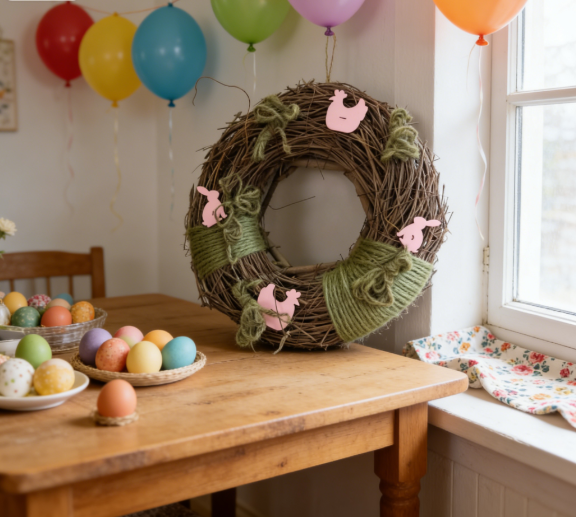
• Poetcore-Inspired Decor: Earth-toned color palettes for egg decorations, wreaths, and table centerpieces. Use EPS decorativefor structural elements like Easter egg displays, as EPS offers durability, easy installation, and resistance to temperature fluctuations.
• FunHaus-Inspired Decor: Playful, imperfect designs—such as hand-painted eggs with subtle texture, distressed wooden bunny figurines, and mixed-material garlands (rattan + fabric). These products should feature durable, easy-to-clean surfaces (e.g., water-resistant paint with a matte finish) to withstand commercial use.
•Cross-Cultural Design: Incorporate elements of global aesthetics, patterns on egg decorations or rattan baskets, to tap into the growing demand for “cultural fusion” decor— a trend highlighted by the success of Chinese in international markets.
Procurement Checklist: Selecting 2026 Easter Decor Suppliers
To ensure you source high-quality, trend-aligned seasonal decor for easter, use this checklist when evaluating suppliers:
1. Compliance: Verify EU REACH, US CPSC, and ISO 9001 certifications, with third-party testing reports for eco-materials and safety standards.
2. Manufacturing Capabilities: Confirm in-house production (not a middleman) with monthly capacity of 10,000+ units, and experience in international shipping (FCL/LCL options, customs documentation support).
3. Technical Expertise: Ensure the supplier can provide detailed material specifications (e.g., EPS density, fabric weight, balloon thickness) and offers OEM/ODM customization.
4. Sustainability Credentials: Request proof of FSC certification, biodegradable material testing, and carbon footprint disclosure for bulk orders.
5. After-Sales Support: Look for a 12-month warranty on structural components and a 6-month warranty on fabric/balloon products, with responsive support for bulk order issues.