Plant Stand Table: Stylish Multi-Functional Displays for Indoor and Outdoor Greenery
When houseplants become central to your home decor, a plain saucer or crowded windowsill quickly limits how you showcase your foliage. A plant stand table solves this pain point by blending plant display surface, accent table function and decorative value into one compact piece. It lifts potted plants off the floor, creates layered green arrangements, and adds extra space for candles, reading glasses and small decor. A sturdy Iron Plant Stand brings industrial texture and stable load-bearing capacity for heavy ceramic pots, while an elegant Pedestal Plant Stand delivers minimalist, elevated styling ideal for statement plants and corner highlights. This SEO guide covers core benefits, multi-scene uses, real home makeover cases, style matching guides and practical buying & care tips for plant stand tables, helping plant lovers and home decor shoppers pick the perfect unit to elevate their indoor jungle.
1. Core Advantages of a Plant Stand Table
Many plant owners only think of plant supports as simple racks, but a well-designed plant stand table offers far more benefits than just holding pots. It improves plant health, optimizes room layout and upgrades interior aesthetics all at once. Below are its most standout strengths.
1.1 Boost Plant Health With Better Airflow and Light Exposure
Plants sitting directly on floors often suffer from poor air circulation, excess moisture trapped underneath pots, and uneven lighting. A plant stand table elevates containers, letting air flow freely around the pot base and draining excess water away from carpet or wooden flooring. For light-loving varieties such as succulents, fiddle leaf figs and monstera, raising the plant also brings leaves closer to natural light from windows. An Iron Plant Stand works wonderfully here; its open frame avoids blocking airflow and prevents water damage to the support structure even when saucers overflow occasionally. This simple elevation reduces the risk of root rot, mold growth and pest infestations that commonly trouble floor-placed houseplants.
1.2 Dual Function: Plant Display + Accent Side Table
The biggest unique selling point of a plant stand table is its dual-purpose design. Unlike single-tier plant racks that only hold greenery, its flat tabletop can serve as a small side table. You can place a drink, a book, a small lamp or decorative trinkets beside your favorite plant. This makes it perfect for tight spaces where you cannot fit both a separate end table and a plant holder. A Pedestal Plant Stand especially shines in this role, with its smooth round or square top offering a clean platform for decor while centering one large feature plant. It cuts down redundant furniture and keeps small rooms from feeling cluttered with multiple separate pieces.
1.3 Flexible Styling That Matches Diverse Interior Themes
Plant stand tables are produced in a wide range of materials, shapes and finishes, making them easy to integrate into nearly every decor style. Matte black metal fits industrial and modern farmhouse spaces, natural wood pairs with boho and Scandinavian interiors, and powder-coated white frames suit minimalist homes. Whether you want a subtle background piece or a bold decorative focal point, you can find a suitable version. The slim footprint means it fits corners, beside sofas, along entryways or next to bathroom vanities without crowding walkways.
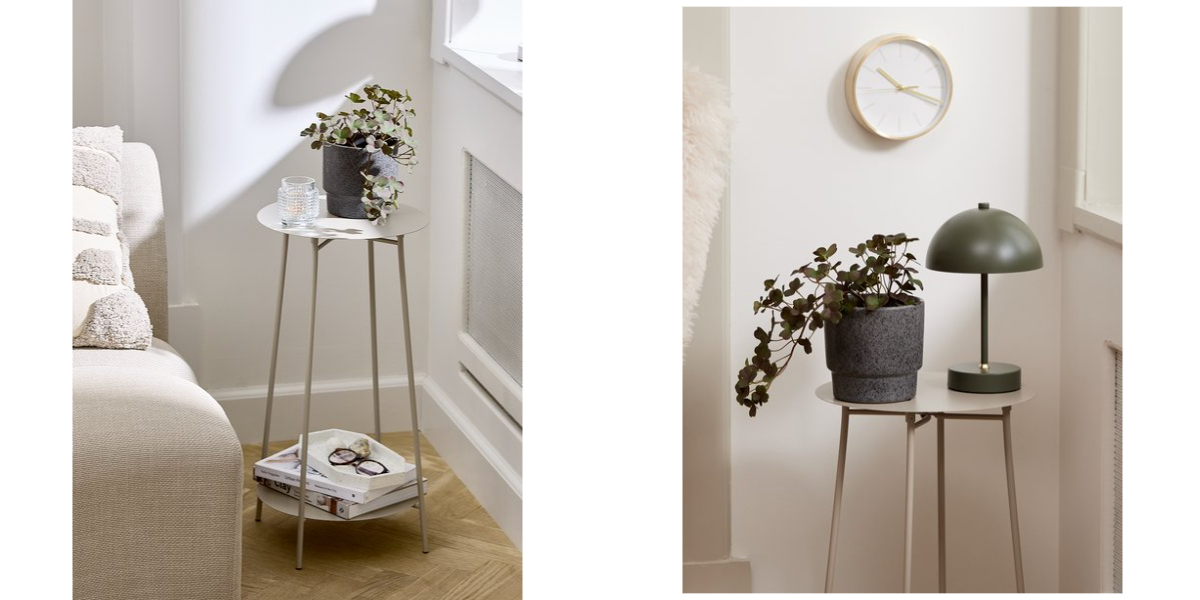
2. Multi-Scene Application of Plant Stand Table
Thanks to its dual function and compact size, the plant stand table adapts seamlessly to different rooms and outdoor nooks. Each space has distinct layout and lighting needs, and the right placement maximizes both plant growth and decorative effect.
2.1 Living Room: Sofa Side & Corner Focal Point
The living room is the most popular spot for a plant stand table. Tucked beside your sofa, it holds a medium-sized pothos, calathea or bird of paradise, while the tabletop keeps your remote, coaster or scented candle within reach. For empty dead corners that feel dull, a taller Pedestal Plant Stand draws the eye upward and creates a soft green centerpiece without overwhelming the seating area. Open-frame Iron Plant Stand models add texture to neutral-toned living rooms, balancing fabric sofas and wooden cabinetry with cool metal lines.
2.2 Bedroom & Entryway: Warm Welcoming Green Accents
Bedrooms benefit from low-key green decor that feels calm rather than busy. A narrow plant stand table next to the nightstand holds a snake plant or ZZ plant, which thrive in low bedroom light and require little maintenance. In entryways, it greets guests with small foliage, dried florals or seasonal decor. Its flat surface can hold your key bowl and mail tray, turning a plain entry corner into a functional decorative zone. Since most entryways have limited square footage, the vertical design keeps the floor clear for shoes and doormats.
2.3 Balcony, Patio and Sunroom
Weather-resistant plant stand tables are built for semi-outdoor spaces. Treated metal and solid wood options resist sun fading and light rain, ideal for herbs, geraniums and tropical patio plants. An Iron Plant Stand with rust-proof coating handles changing outdoor temperatures better than lightweight plastic alternatives, staying stable even in windy balconies. Many garden lovers group multiple plant stand tables of varying heights to build layered patio displays, creating a lush tiered garden effect.
3. Real Home Transformation Case Studies
These three practical cases show how homeowners use plant stand tables to solve common decorating and plant-storage problems, offering actionable inspiration for shoppers.
Case 1: Small Apartment Living Room Corner Refresh
A renter in a 600-square-foot apartment loved houseplants but had no extra space for a side table and separate plant racks. She chose a black metal plant stand table for the empty corner beside her loveseat. On the tabletop, she placed a candle and a stack of magazines; the lower shelf supported a large monstera deliciosa. Instead of two separate furniture pieces crowding the corner, this single unit delivered both display and surface function. The open frame kept the corner airy, and the plant instantly softened the sharp lines of her grey sofa. She also picked an Iron Plant Stand version for its solid build, confident it would support the heavy ceramic planter without wobbling.
Case 2: Bedroom Nightstand Alternative
A homeowner wanted greenery beside her bed but found traditional nightstands too bulky. She selected a slim Pedestal Plant Stand with a light oak top. The top surface held her phone and reading glasses, and the base supported a low-maintenance snake plant. The simple tapered silhouette fit perfectly between the bed and window, and the plant purified air while adding calm biophilic decor. Compared with a large wooden nightstand, this piece made the bedroom feel more open and relaxed.
Case 3: Balcony Herb Garden Organization
A cooking enthusiast dreamed of a balcony herb garden but kept knocking over loose herb pots on the rail. She added two weatherproof plant stand tables of different heights. Taller stands held basil, rosemary and mint that needed more sunlight, while shorter ones housed shade-loving chives. The sturdy Iron Plant Stand construction resisted rust after rain, and the flat tops left room for small gardening tools. Her balcony turned from messy scattered pots into a neat, productive herb station.
4. Main Types of Plant Stand Table & Style Matching Guide
Before buying, it helps to understand the common categories, so you can match the plant stand table to your decor style and plant weight requirements.
4.1 Iron Plant Stand Table
This type features solid iron or steel frames with powder-coated finishes. It is strong, scratch-resistant and stable for heavy ceramic and concrete planters. Most designs use thin, minimalist bars, so they do not block the view of your plant leaves. They match industrial, farmhouse, modern and boho decor. If you own large, heavy plants, this is one of the safest options.
4.2 Pedestal Plant Stand Table
The Pedestal Plant Stand usually has a single solid central base and a round or square flat top. It has a sculptural, elegant look, perfect for showcasing one premium statement plant such as a fiddle leaf fig or kentia palm. It works beautifully in minimalist, mid-century modern and luxury contemporary homes. Its simple silhouette keeps the focus on the plant itself rather than the stand.
4.3 Multi-Tier Wooden Plant Stand Table
Wooden plant stand tables use natural pine, acacia or teak. They bring warm texture and fit Scandinavian, rustic and cottage-style interiors. They are generally lighter than iron stands and best for medium-weight pots. Many wooden models combine a tabletop and lower slatted shelves for multiple small plants.
5. Purchase Criteria and Daily Maintenance Tips
Choosing a low-quality plant stand table leads to wobbling, rust, bent frames or water damage. Use these rules to select a durable product and keep it beautiful for years.
5.1 Key Buying Checklist
First, check weight capacity: heavy plants need a reinforced Iron Plant Stand, while lightweight succulents and small herbs can use wooden pedestal styles. Measure your target space carefully, including the height from the floor to window sills, so your plant will not hit curtains or ceiling fixtures. For bathrooms, balconies and humid rooms, prioritize rust-proof powder coating or weather-sealed wood. If you have kids or pets, pick wide, stable bases and avoid overly tall narrow designs that tip easily. For a standalone statement plant, a Pedestal Plant Stand with a broad base is always a reliable pick.
5.2 Material-Specific Care Guidance
Iron and metal stands only need regular dusting with a soft cloth. If water splashes leave marks, wipe dry quickly. Avoid harsh abrasive cleaners that scratch the protective coating. If the coating chips, touch up with matching spray paint to stop rust spreading. Wooden plant stand tables require occasional wax or wood oil treatment, and you should always use a waterproof saucer under pots to prevent water rings and rot.
5.3 Placement Safety Tips
Always place heavier pots close to the center of the tabletop. Avoid overloading one side, which creates tipping risk. For stands near windows, rotate your plant every two weeks so all sides receive even sunlight. Do not place metal stands directly against damp exterior walls long-term, as trapped moisture can speed up corrosion.
A plant stand table is far more than just a plant holder; it merges green display, extra table surface and decorative styling into a versatile home essential. Whether you pick an Iron Plant Stand for heavy pots and high-traffic spaces, or a refined Pedestal Plant Stand to feature a favorite statement plant, it solves the common struggles of plant lovers: limited floor space, poor lighting for foliage and a lack of small surfaces in compact rooms. From living room corners, quiet bedrooms, entryways to sunny balconies, these multi-purpose pieces bring biophilic design into every corner of your home. With careful selection of material, size and style, plus simple regular maintenance, your plant stand table will support your plant collection and elevate your interior decor for many seasons. It is a small investment that delivers huge visual rewards for anyone building a warm, plant-filled home.