How to Choose Furniture for Small Spaces: Practical Tips to Boost Function and Style
If you live in a compact apartment, tiny townhouse room, or cozy studio, you already know one hard truth: furniture choices can either make your home feel open and calm or cramped and chaotic. Many homeowners rush to buy attractive pieces without considering scale, flow, and multi-purpose value, only to end up with crowded walkways, blocked windows, and storage gaps they cannot fix. Picking furniture for small spaces is not just about buying “smaller” items. It is about intentional selection, balancing usability, visual lightness, storage capacity, and personal design taste. In this guide, we break down every core rule you need, from measuring your room correctly to picking versatile accents like a side table and well-planned shelving, so you can build a compact home that works for your lifestyle instead of fighting against it.
1. Start with Measurement & Traffic Flow, Not Just Aesthetic Appeal
Map Your Walkways and Clearance First
The most common mistake small-space shoppers make is falling in love with a furniture piece online before checking whether it can physically fit and leave enough room to move. A beautiful sofa or cabinet might look perfect in product photos, but once delivered, it can block entry doors, window access, or the path between your bed and bathroom. Before browsing any catalog, grab a measuring tape, a notebook, and mark down three sets of numbers: the total width and length of the room, the width of every doorway, and the minimum clearance required for daily movement.
Design experts recommend keeping at least 24 inches of clear walking space for regular paths, and 30 to 36 inches for primary routes such as from the front door to the living zone or kitchen. When you sketch your layout on paper, mark fixed obstacles too: radiators, electrical outlets, window sills, and built-in trim. These fixed features often dictate where a side table or shelving can sit without creating awkward dead zones. Many buyers overlook that furniture depth matters just as much as width. A deep storage cabinet that sticks too far into the room will shrink your usable floor area far more than a narrow, tall option of the same width.
Use Tape to “Test” Furniture Size Before Purchase
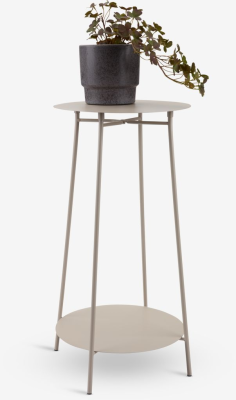
A simple, low-cost trick to avoid costly return headaches is painter’s tape. Tape the exact footprint of the furniture onto your floor, matching the advertised length and depth. Walk around the taped outline for a full day. Can you easily open nearby cabinet doors? Can you sit comfortably on the sofa if this piece sits beside it? Does it block natural light coming through the window? This quick simulation reveals problems that product images never show. This step is especially critical for heavy, bulky furniture that is expensive to ship back. Even accent pieces deserve this check: a bulky side table with a wide base can crowd a narrow sofa nook, while a slim open-frame version keeps the pathway unobstructed.
2. Prioritize Multi-Functional Furniture That Earns Its Floor Space
In small homes, every square foot of floor space is precious. Every furniture piece you bring in should pull double or triple duty whenever possible. Single-purpose decor that only looks pretty and offers no extra function is a luxury best saved for large homes. Multi-functional furniture eliminates the need to add extra standalone pieces, reducing overall clutter and keeping the layout streamlined.
Storage ottomans are a classic example: they work as footrests, extra guest seating, and hidden storage bins for blankets, throw pillows, or board games. Wall-mounted drop-leaf desks fold flat against the wall when not needed, turning a blank wall into a home office and disappearing when it is time to host friends. Beds with under-bed drawers lift your mattress slightly and hide linens, seasonal clothing, or luggage, removing the need for a large standalone dresser.
This is where a well-chosen side table shines. The best small-space side table is not merely a spot for your coffee mug. Models with lower open shelves or hidden drawers can hold remotes, reading glasses, chargers, and small books, merging surface function with light storage without dominating the room. When you combine this with thoughtful shelving on nearby walls, you can keep small surfaces free while corralling everyday items out of sight. The goal is not to fill every empty corner; it is to make every furniture footprint count.
Avoid Overbuying “Space-Saving Gimmicks”
While multi-functional furniture is powerful, not all convertible designs are practical. Some expandable tables, foldable chairs, and modular cabinets sacrifice stability, comfort, or durability to fit a compact marketing label. Before buying a transformable piece, read real customer reviews. Ask yourself: will I actually use this extra feature weekly, or is it a clever trick I will ignore after one month? A heavy, wobbly expandable dining table that is hard to operate is worse than a simple fixed narrow table you use comfortably every day. Quality and usability always beat flashy, overcomplicated designs.
3. Choose Furniture with Visual Lightness to Keep Rooms Airy
Size on paper is only half the story. Two pieces with identical width and depth can create completely different feelings in the same room, depending on their silhouette. Solid boxy furniture with closed bases and heavy panels traps visual weight and makes the room feel enclosed. Furniture with open legs, transparent surfaces, slim frames, and open backs lets light and sightlines travel through, making the same room feel larger and more open.
Look for sofas, coffee tables, and accent stands with thin, raised legs. Elevated furniture reveals the floor underneath, creating the illusion of extra space. Glass and acrylic tabletops are another excellent pick for a side table; they provide a stable surface without blocking your view across the room. Dark, solid wooden blocks, by contrast, tend to anchor a space and weigh it down, so reserve those for small, targeted accents rather than large main furniture.
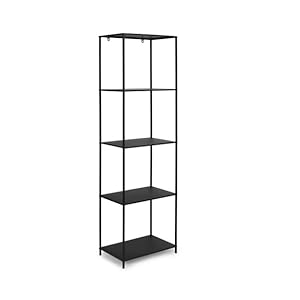
Shelving also follows this visual rule. Closed, full-height cabinetry can quickly wall off a small nook. Open shelving with a slim metal or wooden frame keeps the space feeling breathable, as long as you avoid overpacking every shelf with decor. Mix open shelving with a few closed storage bins to hide messy essentials, so you get storage capacity without the heavy visual block of a full wall cabinet.
Color selection ties directly to this principle too. Light neutral tones like off-white, soft beige, light oak, and pale gray reflect natural light. Matching furniture color closely to your wall or floor color blurs the boundary between furniture and room, which expands the perceived space. Dark furniture works only as a small focal point; using multiple large dark items in a tiny room will make it feel cave-like.
4. Leverage Vertical Storage and Strategic Wall Furniture
Most people shopping for small-space furniture fixate only on the floor, forgetting that the wall space above waist height is an untapped storage zone. Going vertical frees up floor space and keeps walkways open, which is one of the most impactful strategies for compact layouts. This is where shelving becomes one of your most valuable tools.
Wall-mounted floating shelving can run above a sofa, desk, bed headboard, or entryway, holding books, small decor, skincare bottles, or collectibles without touching the floor. Tiered wall racks, coat hooks, and narrow vertical bookcases stack storage upward instead of outward. A tall, slim open bookshelf with a narrow footprint occupies only a small strip of floor space but offers far more storage than a wide low cabinet.
Vertical furniture is ideal for studios where one single room serves as living room, bedroom, and office. You can use tall shelving as a subtle room divider, separating the sleeping zone from the seating area without installing permanent walls or heavy room dividers. This semi-open partition maintains light flow while defining functional zones.
When you design vertical storage, resist the urge to stack furniture all the way to the ceiling everywhere. Leave blank wall space between storage units. Too many stacked shelves and wall racks create a busy, cluttered wall that overwhelms a small room. Balance a section of shelving with empty wall space and one compact accent, such as a small side table below it, to maintain visual rhythm.
Wall-Mounted Pieces for Rental-Friendly Homes
Many urban dwellers are renters who cannot drill dozens of large holes into walls. Fortunately, there are renter-friendly vertical solutions. Heavy-duty adhesive hooks, tension rod shelving, and freestanding slim ladder shelving require minimal or no wall damage. These options let you enjoy the benefits of vertical organization without risking security deposits. Even freestanding ladder shelving keeps the base narrow and the frame open, holding storage upward while preserving that light, open look small rooms need.
5. Match Furniture Scale to Room Function and Avoid Overcrowding
Different zones inside your small home have unique needs, and furniture that works for a living nook may fail in a bedroom or entryway. It is critical to define what each zone needs before selecting pieces, rather than buying a matching full furniture set. Matching sets often include oversized pieces designed for standard or large rooms, and dropping the whole collection into a studio will instantly overcrowd it.
For a small living area, prioritize one properly scaled sofa instead of trying to squeeze a full sofa plus multiple extra armchairs. Add flexible, lightweight seating such as poufs that can be tucked under a side table when unused. For tiny bedrooms, skip bulky dressers where possible; use under-bed storage and narrow shelving beside the bed. Entryways, often the smallest spot in an apartment, need slim, shallow pieces: narrow console tables, compact coat racks, and shallow shoe storage, not deep heavy cabinets that swing into the doorway.
A common design myth says “fill empty corners with furniture.” In small-space design, empty negative space is your friend. Leaving one corner completely open gives the eye a place to rest and keeps the room from feeling stuffed. You do not need to decorate or furnish every single inch. One thoughtfully sized side table next to the sofa, paired with a neat section of shelving across the room, creates balance without crowding.
Mix Materials for Depth Without Clutter
While scale is king, texture keeps a compact room from feeling flat and sterile. You can mix materials carefully: a metal-framed side table paired with wooden shelving, woven storage baskets on open shelves, and soft fabric cushions on your seating. The key is sticking to a restrained color palette. Three neutral base tones plus one small accent color keep the design cohesive. Too many bold patterns, competing wood grains, and bright hues together will make a small space feel chaotic, even if the furniture sizes are correct.
6. Maintenance, Durability, and Long-Term Flexibility
Many shoppers only consider immediate appearance and storage capacity, ignoring how easy furniture is to clean and rearrange over time. In small spaces, furniture gets touched and bumped far more often, and spills spread quickly from one surface to another. Pick finishes that resist stains and scratches: laminated wood, powder-coated metal, sealed rattan, and tempered glass are all forgiving choices. Avoid high-maintenance materials like unsealed soft wood or delicate fabric that stains easily, unless you only use the piece for decor in a low-traffic corner.
Also think about portability. Lightweight furniture you can move around lets you reconfigure your home for different occasions. You can shift a side table to hold snacks for a movie night, then slide it back beside the sofa during daily use. Freestanding shelving units on casters can roll between zones if you rearrange your layout for guests. Fixed, heavy built-ins are wonderful for permanent homes, but they lock your layout in place, which is less ideal if you move often or like refreshing your interior.
Before finalizing your purchase, think one or two years ahead. Will this furniture adapt if your needs change? A shelving set that can be reconfigured into shorter or taller arrangements is more versatile than a fixed single unit. A side table with removable trays or adjustable height grows with you, whether you use it beside a reading chair, next to your bed, or beside a compact desk. Furniture that adapts reduces the need to replace items as your lifestyle shifts, which saves money and cuts down on waste.
Final Checklist Before You Buy
Before you add any furniture to your cart, run through this quick checklist:
Have I measured the room, doorways, and required walking clearance, and marked fixed obstacles?
Does this piece serve more than one purpose, or is it worth the floor space as decor only?
Does it have an open, light silhouette with raised legs or transparent surfaces to preserve sightlines?
Have I planned vertical storage with shelving to save floor space?
Will this scale fit the zone (living, bedroom, entry) without forcing out essential movement room?
Is the material durable and easy to clean for my household routine?
Can I rearrange or repurpose this piece later if my layout changes?
Conclusion
Learning how to choose furniture for small spaces transforms cramped, stressful compact homes into functional, stylish retreats. The core principle is simple: prioritize function and flow over impulse buys, use vertical space with shelving to lift storage off the floor, and pick pieces with light, open silhouettes to keep the room feeling expansive. A carefully selected side table can anchor a seating corner while adding handy surface and hidden storage, proving that even small accent furniture has a huge impact. You do not need a large budget or a renovation to make a tiny home feel great. By measuring first, embracing multi-use design, respecting visual scale, and leaving breathing room, you can build a layout that fits your belongings, your daily habits, and your personal aesthetic, no matter how limited your square footage is.