What Furniture Works Best in Small Apartments? Space-Saving Picks for Comfort & Style
Living in a small apartment brings a unique design challenge. You want your home to feel welcoming, functional, and stylish, but every square foot matters. Many renters and compact-home owners make the mistake of buying oversized, single-purpose furniture that crowds walkways, blocks natural light, and turns an apartment into a cramped storage room. The right furniture choices can visually expand your space, create flexible zones, and hold all your belongings without overwhelming the room. Whether you are furnishing a studio apartment, a one-bedroom unit, or a tiny city flat, this guide breaks down the best furniture categories, shopping rules, layout tricks, and styling tips to help you build a home that works for daily life. We will also cover how simple pieces like a carefully selected side table and open shelving can transform awkward corners and blank walls into usable, attractive spots.
1. Prioritize Multi-Functional Furniture That Pulls Double Duty
The golden rule for small-apartment furnishing is simple: every piece should serve more than one purpose. Single-use furniture, such as a bulky coffee table with no storage or a decorative chair that only sits empty, wastes precious floor space. Multi-functional furniture adapts to your changing routine, shifting from work mode to dining mode to guest mode in seconds. This category is the foundation of a successful small-space layout, and it is where many new apartment shoppers find the biggest upgrade in livability.
Storage Ottomans & Convertible Seating
A storage ottoman is one of the most underrated small-apartment staples. It works as extra seating when friends visit, a footrest for evening reading, and a hidden container for throw blankets, chargers, board games, or seasonal clothing. Add a sturdy tray on top, and it instantly becomes a low surface for drinks, laptops, or candles. Unlike heavy wooden coffee tables, most ottomans are lightweight, so you can slide them aside quickly to clear floor space for yoga, home workouts, or overnight guests. Sleeper sofas also fall into this category. Modern sleeper designs have slim frames, thinner arms, and supportive mattresses, so they do not look like a bulky pull-out couch. For studio dwellers, a quality sleeper sofa replaces the need for a separate guest bed, keeping the living area open during daytime hours.
Foldable & Expandable Dining Solutions
Dining furniture is often a pain point in tiny apartments. A full-size fixed dining table can dominate half your living room, yet you still need a spot for meals, working from home, and crafting. Wall-mounted drop-leaf tables, fold-flat bistro sets, and extendable tables solve this problem beautifully. When not in use, you fold the leaves down or tuck the chairs underneath, leaving a clear walkway. Many of these compact dining sets also feature lower racks for magazines or dinnerware, adding subtle storage without extra footprint. This is one area where pairing your main table with a narrow side table can be clever. Place the side table nearby to hold condiments, plants, or a laptop during long work sessions, rather than forcing everything onto the small dining surface.
2. Choose Vertical Storage Furniture to Save Floor Space
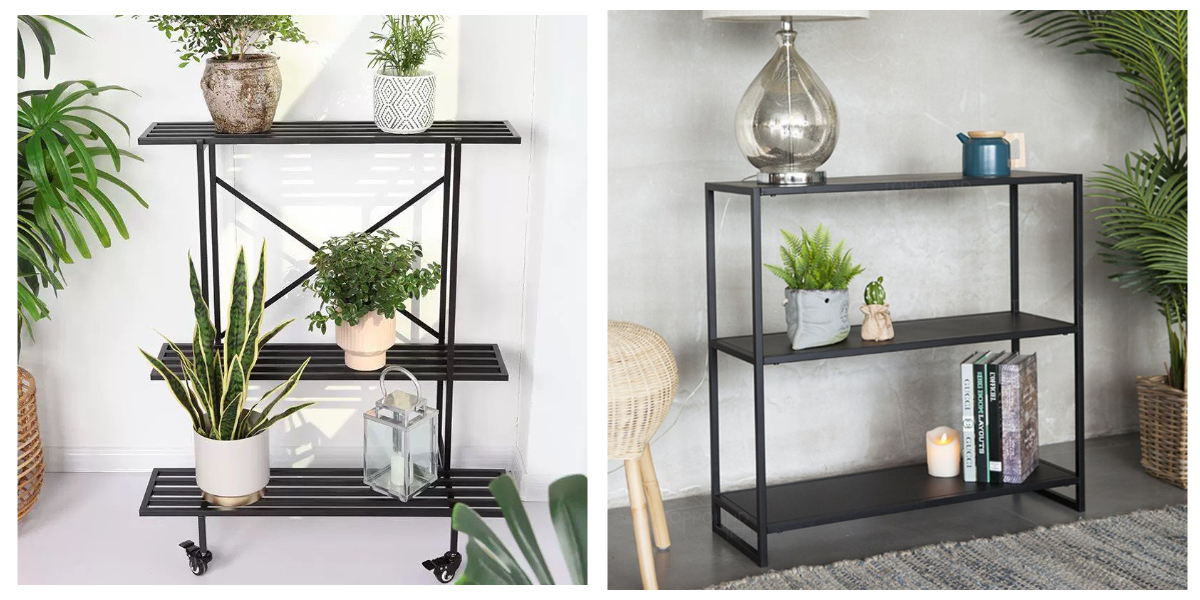
Floor space is the most valuable resource in a small apartment, so smart shoppers learn to build upward instead of outward. Vertical storage furniture keeps clutter off the ground, maintains clear traffic paths, and draws the eye upward, which naturally makes ceilings feel higher and rooms feel airier. This principle is where shelving shines. Well-planned shelving does not only hold books and decor; it can act as a room divider, display surface, and catchall for everyday essentials.
Open, Slim Profile Shelving Units
Closed, heavy cabinetry with solid doors can make a small room feel boxed in. Open shelving, by contrast, lets light flow through and keeps the view unobstructed. Slim, narrow shelving units fit along empty walls, beside doorways, or next to a sofa, turning dead space into organized storage. You can arrange plants, photo frames, kitchen canisters, skincare, or office supplies across the tiers. For renters who cannot drill large holes, freestanding metal shelving is ideal. It requires no permanent installation, moves easily when you relocate, and balances decorative display with practical storage. When styling shelving, avoid packing every shelf full. Leave empty gaps to preserve that open, uncluttered feeling; overfilled shelving will make the whole room feel cramped.
Floating Wall-Mounted Storage
Floating shelves, floating desks, and floating nightstands are perfect for tight bedrooms and entryways. Because they attach directly to the wall with no legs touching the floor, they create a “floating” visual effect that keeps the floor visible. Visible floor space is a key design trick to make any room feel larger. A floating shelf above your toilet holds toiletries; a floating desk in a corner creates a compact home office; floating shelves near the front door store keys and mail. If you are worried about putting holes in rental walls, heavy-duty removable mounting brackets work for lightweight floating shelving options.
3. Select Low-Profile, Lightweight Furniture With Exposed Legs
Many people assume small apartments need tiny furniture, but this is only partially true. Furniture scale matters more than raw size. Oversized, boxy furniture with solid bases will swallow a room, even if it is technically “small.” The best furniture for compact apartments has slim silhouettes, thin legs, and an open undercarriage. These details let light and air pass underneath, so the piece feels lighter and less heavy visually.
Sofas, Chairs and Accent Tables With Airy Frames
When shopping for a sofa, look for models with raised legs, narrow armrests, and tight cushions. Deep, overstuffed sectionals usually overwhelm small rooms unless you have a very open layout. Accent chairs with thin metal or wooden legs work beautifully beside windows or in corners. This is also where a compact side table becomes incredibly useful. A small side table with slender legs tucks next to your reading chair or sofa, offering a spot for your reading lamp, water glass, or e-reader without blocking the view. Transparent materials such as acrylic or tempered glass amplify this effect even more, since they barely interrupt your line of sight across the room.
Avoid Heavy, Blocky Furniture That Creates Visual Barriers
Solid-base dressers, closed storage chests, and thick upholstered pieces that sit flush on the floor tend to cut a room into smaller segments. If you must include larger storage furniture, position it against a single wall rather than floating it in the middle of the room. Keep the middle zone open for movement. A simple test before buying: visualize how much floor will disappear once the furniture is placed. If it covers a large patch of floor and blocks the line of sight from one side of the room to the other, keep shopping for a slimmer alternative.
4. Zone Open Floor Plans With Furniture Instead of Permanent Walls
Most studio apartments and open-concept small homes lack separate rooms. Without walls, it can be hard to define where the living area ends, the workspace begins, and the sleeping zone starts. Many renters cannot build walls or install fixed partitions, so furniture itself becomes the divider. This is a creative, renter-friendly way to split one large room into multiple functional zones.
Use Tall Shelving as a Lightweight Room Divider
Tall open shelving is one of the most elegant ways to zone a studio. Position a sturdy shelving unit perpendicular to a wall, between your sleeping nook and living space. The shelves still let light pass through, so the apartment does not feel cut off, yet they create a clear visual boundary. You can display decor on the side facing your living room and store bedding or personal items on the bedroom-facing side. This dual-purpose approach gives you privacy and storage in one piece. Unlike folding screen dividers, shelving adds usable storage rather than just decoration.
Layer Small Accent Pieces to Anchor Each Zone
Once you set your main divider, use smaller accent furniture to anchor each zone. In the lounge zone, arrange a sofa, a small ottoman, and a side table. In the work zone, add a slim desk and ergonomic chair. In the entry zone, a narrow console table with a small basket keeps shoes and bags organized. Rugs work alongside furniture to reinforce zones; a soft rug under your seating set tells your brain this is the relaxing area. The trick is to keep each zone minimal. Do not add extra decorative furniture that serves no practical purpose.
5. Renter-Friendly, Portable Furniture for Flexible Layouts
A huge share of small-apartment residents are renters, which means furniture needs to be flexible, easy to assemble, simple to move, and non-damaging to walls and floors. Built-in cabinetry, fixed wardrobes, and heavy anchored furniture are not practical for people who move every one or two years. Portable furniture lets you rearrange your layout seasonally, host gatherings, and take all your pieces to your next home.
Easy-to-Move Storage and Accent Pieces
Wheeled storage carts, lightweight side table options, and standalone shelving can shift around your apartment whenever your needs change. If guests arrive, roll the cart to the living area to hold drinks and snacks. During the workweek, move it to your desk for office supplies. Lightweight pieces also make seasonal redecorating simple. You can swap the layout for holidays, reorganize after buying new decor, or clear space for hobbies quickly. Always check weight and assembly reviews before ordering. Look for furniture that comes with simple tool-free assembly and smooth, protective floor glides to prevent scratches on hardwood or vinyl floors.
How to Balance Budget, Durability and Aesthetic
Shopping for small-apartment furniture often means balancing three priorities: low cost, sturdy build, and matching your interior style. Avoid ultra-thin particleboard pieces that warp easily, especially for shelving that will hold heavy books and decor. Metal frames paired with solid wood or composite tops offer a great balance of affordability and strength. Neutral tones like black, white, oak, and warm grey are the safest choice because they blend with changing decor and do not visually shrink the room. If you want color, add it through cushions, throws, plants and artwork instead of large furniture pieces.
Final Shopping Checklist for Small Apartment Furniture
Before you add any furniture to your cart, run through this quick checklist to avoid common mistakes. First, measure your room, doorways, hallway turns, and elevator if you live in an apartment building. Many shoppers find a beautiful piece only to discover it cannot fit through the front door. Second, write down the primary job the furniture will do. If it only looks nice and has no storage or multi-use feature, think twice. Third, ask whether it blocks natural light or sightlines. Fourth, confirm that it matches your rental rules, especially for wall-mounted shelving. Fifth, imagine your daily routine: will this piece make morning coffee, remote work, cooking, or resting easier?
The best small-apartment homes are not stuffed with fancy furniture. They are thoughtfully curated spaces where every item earns its place. A well-chosen side table fills an empty corner without clutter, carefully arranged shelving organizes your treasures while keeping the room open, and multi-functional seating adapts to life’s shifting needs. You do not need to sacrifice comfort or personality just because your square footage is limited. With intentional furniture choices, your small apartment can feel spacious, calm, uniquely yours, and perfectly suited to modern everyday living.