Rolling Bar Cart: The Mobile Decor & Entertaining Essential for Modern Homes
If you love hosting casual gatherings, cocktail hours, weekend brunches, or simply want flexible storage that moves with your lifestyle, a rolling bar cart is one of the most functional and eye-catching furniture investments you can make. Far more than a simple holder for liquor bottles and wine glasses, this wheeled piece blends portable utility, decorative charm, and multi-room adaptability, making it a staple for contemporary interiors, rental apartments, and open-concept family spaces alike. Many shoppers also search for a Serving Trolley when browsing for mobile beverage stations, as the two terms often describe the same practical, wheeled serving furniture. A carefully curated vintage bar cart, meanwhile, adds old-world elegance that instantly transforms a plain corner into a curated focal point. Whether you are building a compact home bar, setting up refreshments for a backyard party, or adding extra storage to a cramped kitchen, the rolling bar cart solves space and styling challenges all at once. This guide breaks down everything you need to know about selecting, styling, using, and caring for your rolling bar cart, with practical insights for new buyers and home decor enthusiasts.
1. Why a Rolling Bar Cart Stands Out From Fixed Home Bar Furniture
Most homeowners dream of a dedicated built-in bar nook, but permanent cabinetry requires renovation, fixed floor space, and a large budget. The rolling bar cart eliminates these barriers by delivering a fully functional beverage station without permanent installation. Its biggest advantage is mobility: fitted with smooth casters, you can roll it from the kitchen to the living room for movie night, slide it onto the patio for an evening barbecue, or tuck it into a narrow hallway corner when the party ends. Unlike bulky sideboards or stationary bar cabinets, it does not lock your layout into place, which is especially valuable for renters, small condo dwellers, or anyone who rearranges decor seasonally.
Flexible Function Beyond Cocktail Service
While many people picture the rolling bar cart stocked with spirits, cocktail shakers, and wine glasses, its use cases stretch far beyond alcoholic drinks. It works beautifully as a coffee station loaded with mugs, syrups, and a small coffee maker for morning routines. It can hold tea sets, dessert plates, and pitchers of lemonade for daytime family gatherings. During holidays, it becomes a hot cocoa station for kids, or a display surface for small seasonal decor and appetizer platters. A Serving Trolley excels in these casual serving moments because its open shelves let guests easily grab refreshments without crowding your dining counter. Even for office spaces, a rolling bar cart can store snacks, water bottles, and meeting supplies, bringing the same mobile convenience to professional settings. This multi-purpose design means it earns its spot in your home year-round, instead of sitting unused between dinner parties.
Space-Saving Benefits for Compact Living
Small-space decorating comes with one core rule: every piece must pull double duty. A rolling bar cart has a narrow footprint that fits beside a sofa, between two armchairs, or along a blank wall, where a full bar cabinet would overwhelm the room. Most models feature two or three open tiers, vertical wine bottle racks, stemware holders, and side baskets that maximize vertical storage without spreading outward. Locking casters add safety: once you roll it into your chosen spot, you can lock the wheels to stop unwanted sliding, even on smooth hardwood or tile floors. For anyone who struggles with limited counter space, this mobility and compact footprint make the rolling bar cart a smarter, more adaptable choice than stationary storage furniture.
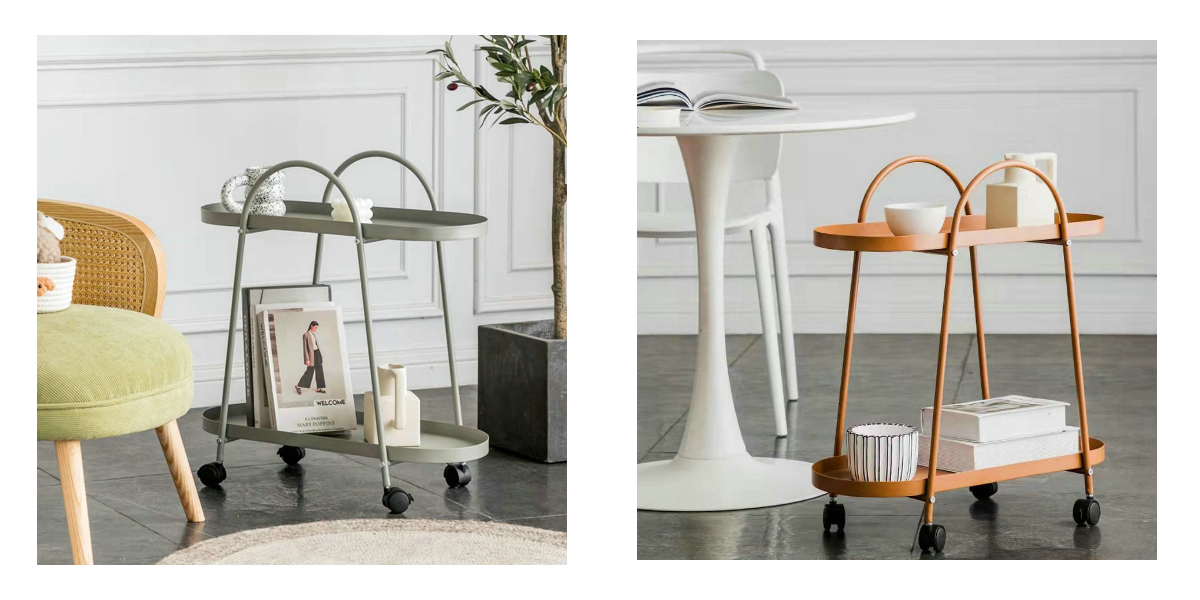
2. Key Material & Style Options for Rolling Bar Cart Designs
Shopping for a rolling bar cart means navigating a wide range of frame materials, shelf surfaces, and aesthetic styles, from ultra-minimalist modern to ornate retro pieces. The material you pick impacts durability, cleaning ease, weight capacity, and how well it matches your existing home decor.
Metal Frame Rolling Bar Carts (Modern & Industrial Picks)
Metal frames, typically powder-coated iron or steel, are the most popular construction for rolling bar carts. Powder coating resists water splashes, sticky drink spills, fingerprints, and minor scratches, which is critical for furniture that holds ice buckets, soda bottles, and wet glassware. Black matte metal frames deliver clean industrial and minimalist vibes, while gold, brass, and chrome finishes add glamorous mid-century or Art Deco flair. Many metal rolling bar carts pair the sturdy frame with tempered glass shelves, mirrored panels, or light wooden boards. Glass shelves feel open and airy, preventing the cart from visually weighing down a small room, though they require regular wiping to remove smudges and water spots.
Wood & Mixed-Material Rolling Bar Carts (Warm, Rustic Charm)
Wood and wood-top rolling bar carts bring soft, natural warmth that balances sleek metal interiors. Solid oak, pine, and walnut tops pair beautifully with black metal frames for farmhouse, boho, and transitional decor themes. Wood surfaces require slightly gentler care: condensation from ice buckets and spilled citrus drinks can stain unfinished wood, so look for sealed, varnished, or distressed finishes for better protection. Mixed-material carts often combine wooden lower shelves with glass upper tiers, blending texture and visual interest. A vintage bar cart frequently leans into this mixed-material formula, pairing aged brass frames with curved glass or worn walnut surfaces to recreate mid-century and retro styling that feels collected and timeless.
Specialized Vintage & Antique-Inspired Rolling Bar Cart
If you love old-home character, a vintage bar cart offers a statement piece that doubles as decor even when empty. Authentic antique versions can be hard to source and fragile for daily use, so many manufacturers create reproduction designs that capture curved lines, decorative scrollwork, and antique brass patina while using modern sturdy materials. These pieces shine in traditional, cottage, and maximalist interiors, acting as conversation starters at every gathering. This style overlaps heavily with the classic Serving Trolley aesthetic that was popular in mid-century homes for formal dinner service.
3. How to Choose the Right Rolling Bar Cart: Practical Buying Criteria
Before adding a rolling bar cart to your cart, evaluate these practical features to avoid buying a piece that looks great online but fails during real-world use.
Caster Quality and Locking Mechanisms
Wheels are the heart of any rolling bar cart. Cheap thin plastic casters wobble, stick on carpet edges, scratch hardwood floors, and slide unexpectedly when loaded with heavy glass bottles. High-quality carts use rubber or silent polyurethane casters that roll smoothly across carpet, vinyl, tile, and hardwood. At least two wheels should include locking brakes. Test the lock mechanism when possible: it should hold firmly on sloped floors and not release accidentally if someone leans on the cart. For frequent outdoor use on patios or uneven deck surfaces, opt for larger, heavier-duty wheels that do not catch on cracks or gravel.
Weight Capacity and Storage Layout
Take stock of what you plan to store, because a fully stocked rolling bar cart can grow surprisingly heavy. Check the per-shelf weight rating before purchase. If you plan to store full liquor bottles, a wine rack, an ice bucket, and heavy serving platters, prioritize reinforced welded frames instead of thin bolt-together frames that flex under load. Think about your storage workflow: heavier items like wine bottles and ice buckets belong on the bottom tier for stability. Look for built-in stemware hangers if you use wine glasses often; raised lip edges around shelves are another must-have feature, as they stop glasses and bottles from sliding off when you roll the cart between rooms.
Size and Room Proportion
Measure your intended space carefully. A narrow 18–24 inch wide rolling bar cart works for tight living room corners, while wider 30–36 inch models suit open dining rooms or large basements dedicated to entertaining. Pay attention to height too: most carts stand between 30 and 36 inches tall, which matches standard counter height for easy pouring and serving. If you want to pull it beside your sofa, a slightly shorter model keeps drinkware within comfortable reach while seated.
4. Styling Ideas for Your Rolling Bar Cart for Every Occasion
Once your rolling bar cart arrives, styling it well turns a functional storage piece into intentional home decor. The best arrangements balance practical usability and visual appeal, avoiding overcrowded shelves that look messy or create tipping hazards.
Everyday Casual Styling
For daily use, keep the setup simple. Place frequently used bottles and a cocktail shaker on the top shelf, a small tray for coasters, and a few favorite glasses. The lower shelf can hold extra napkins, bottle openers, and a small basket for tea bags or coffee pods. Add one low-maintenance plant, a small candle, or framed artwork to soften the look. This everyday style works wonderfully whether you treat it as a home bar or use it as a casual Serving Trolley to carry snacks and drinks to the sofa.
Party and Holiday Styling
For hosting guests, theme your rolling bar cart to match the season or event. In summer, stock it with pitchers of sangria, citrus garnishes, reusable cups, and a bucket of ice. At Christmas, swap in spiced wine, mugs for hot toddies, and tiny evergreen sprigs for decoration. For birthday parties, dedicate the cart to mocktails and dessert plates so guests can serve themselves. When styling for parties, always place the heaviest containers low and leave open space for guests to set down used glasses.
Decor-Focused Minimal Styling
You do not have to fill your rolling bar cart with drinks. Many homeowners use it purely as a decorative display stand. Stack art books on the lower shelf, arrange candle holders, small sculptures, potted succulents, and decorative trays on top. A vintage bar cart styled this way feels like a curated accent piece, adding layered texture to entryways, bedrooms, or home offices, proving its value even when you rarely serve beverages from it.
5. Maintenance and Care Tips to Extend the Life of Your Rolling Bar Cart
With simple regular care, a quality rolling bar cart can stay beautiful and functional for many years. Care instructions shift slightly based on frame and shelf material, but these universal habits prevent damage, rust, and permanent stains.
Routine Cleaning for Metal, Glass, and Mirrored Shelves
Metal frames with powder-coated or brass finishes wipe clean with a soft damp cloth and mild dish soap. Avoid abrasive scouring pads, harsh bleach cleaners, or vinegar-heavy solutions that can eat away the finish and cause discoloration. Glass and mirrored shelves can be cleaned with standard glass cleaner and a lint-free microfiber cloth; never spray cleaner directly onto mirror backing, because liquid can seep behind the surface and create dark, permanent spots. Dry all surfaces immediately after spills, especially sticky soda, wine, or citrus juice.
Wood Surface Care
Wood-topped rolling bar carts need extra attention around moisture. Always use coasters under ice buckets and wet glasses. Wipe spills instantly, and reapply furniture wax or wood conditioner every few months for unfinished or lightly sealed wood. Keep wooden carts away from direct, constant sunlight, which fades the finish and can warp thin wood panels over time.
Caster and Wheel Upkeep
Debris like hair, crumbs, and carpet fibers often wraps around wheel axles and makes rolling stiff. Every few months, inspect and clean the casters. Remove tangled fibers with tweezers, and add a tiny drop of silicone lubricant if wheels squeak. Avoid oil-based lubricants, which attract more dust and dirt. Do not overload the cart far above its rated weight, as this bends the frame and permanently damages wheel mounts.
6. Where to Place a Rolling Bar Cart Around Your Home
One of the most fun parts of owning a rolling bar cart is testing it in different zones of your house. In the living room, tuck it beside the sofa to hold evening drinks and remote controls. In the dining room, park it near the table to hold water pitchers, wine, and dessert during meals. In the kitchen, it acts as extra temporary counter space for baking supplies and prep bowls. On covered patios and screened porches, it serves as an outdoor drink station for warm-weather gatherings, though you should bring metal and wood models indoors during heavy rain to prevent rust or swelling. For home offices, use it to store water, snacks, and office supplies. This adaptability is what separates the rolling bar cart from stationary furniture: you are never locked into one single spot or one single purpose. A classic Serving Trolley delivers this same flexible placement benefit, moving seamlessly between indoor and semi-outdoor entertaining spaces whenever guests arrive.
A rolling bar cart is far more than a passing home decor trend. It merges mobility, storage, and style into one versatile piece that fits renters, small-space owners, and frequent hosts equally well. Whether your priority is building a compact home bar, setting up self-serve refreshments for gatherings, or simply adding a striking accent piece to a quiet corner, it adapts to your changing needs. If you lean toward classic retro aesthetics, a vintage bar cart delivers timeless character, while modern metal-and-glass designs suit clean contemporary interiors. No matter which style you select, remember to prioritize sturdy wheels, reliable locking brakes, and a weight rating that matches what you plan to store. With thoughtful styling and gentle regular maintenance, your rolling bar cart will become the heart of happy hours, weekend brunches, and holiday celebrations for years to come.