What Is Space-Saving Furniture? A Complete Guide for Compact Homes
If you live in a city apartment, a tiny studio, or simply want to stop bulky furniture from crowding your living area, you have probably encountered the term space-saving furniture. Many shoppers mistakenly think it only means “small furniture,” but this category is far smarter and more versatile. Space-saving furniture refers to thoughtfully designed home goods that minimize the floor footprint while maximizing usable function, storage, and flexibility for modern living. It is built to adapt to your daily routine, shift layouts when needed, and turn underused corners into practical zones without forcing you to sacrifice comfort or decor style. As urban housing continues to shrink in usable square footage, this furniture style has evolved from a niche hack into a mainstream solution for renters, homeowners, and home office creators alike. In this guide, we break down its core principles, popular product types, layout benefits, shopping rules, and common mistakes to avoid, so you can shop with confidence and build a home that feels open, tidy, and uniquely yours.
Core Definition: What Separates Space-Saving Furniture From Regular Compact Furniture
Before diving into product recommendations, it is critical to clear up the most widespread misunderstanding. A small chair or narrow cabinet is not automatically space-saving furniture. The true defining feature is adaptability: it can change, fold, stack, or pull double duty to recover floor space when a function is not in use. Standard furniture is static. A traditional wooden dining table occupies the same space whether you are hosting a dinner party or leaving it empty on a weekday morning. Space-saving furniture solves this waste by merging multiple purposes into one footprint, or by tucking itself away when it is not required.
Three Core Design Principles of Space-Saving Furniture
The best pieces follow three overlapping design rules, and understanding them helps you evaluate every item you consider:
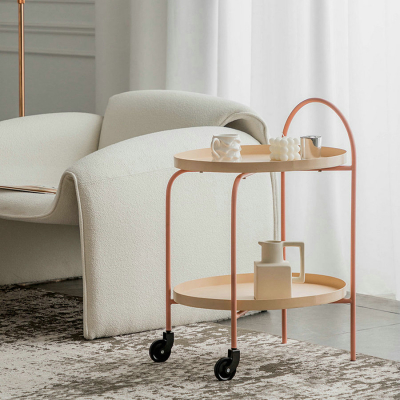
Multifunctionality: One unit delivers two or more services. An ottoman can be extra seating, a coffee surface, and hidden storage for blankets. A slim side table can hold your morning coffee, display decor, and integrate open storage for books and remotes. This side table example is one of the most approachable starting points for new buyers, because it fits neatly beside sofas and armchairs without blocking walkways.
Vertical Utilization: Instead of spreading outward across the floor, the design grows upward. Shelving is the perfect illustration of this rule. Good shelving turns blank wall space into storage for plants, framed photos, candles, and books, leaving the floor free for movement. Floating shelving is especially popular because it has no heavy base, so the room maintains an airy, uncluttered look.
Transformable Mechanism: Folding, nesting, sliding, or wall-mounting lets the piece shrink on demand. Drop-leaf tables, wall-mounted fold-down desks, nesting stools, and Murphy beds all fall into this group. These designs are ideal for people who only need a dining or sleeping surface occasionally.
When a piece checks at least two of these boxes, it qualifies as purpose-built space-saving furniture. A simple small decor item that only serves one job, by contrast, is just compact furniture. This distinction is the foundation of successful small-space furnishing.
Popular Types of Space-Saving Furniture for Every Room
Space-saving furniture is available for every zone of your home, from entryways and living rooms to bedrooms and home offices. You do not need to renovate or commit to permanent built-ins to enjoy its benefits. Below are the most practical categories, including staple items that work in nearly any layout.
Multifunctional Accent Furniture for Living Rooms
The living room is usually the busiest shared space, so clutter accumulates quickly. Here, lightweight, dual-purpose accent pieces shine. A carefully selected side table is a fan favorite: many modern versions include lower racks, drawers, or open compartments to store magazines, chargers, and plant pots. Unlike heavy traditional end tables, these slim side table options slide easily into tight gaps between sofas and walls. Shelving is another living-room staple. Open shelving units can act as room dividers in open-concept studios, separating the sleeping nook from the seating area while still letting light flow through. You can arrange decorative objects, potted greenery, and small storage baskets on shelving to keep surfaces tidy. Many shoppers love modular shelving because you can add or remove tiers as your collection grows or shrinks. Other common living-room picks include storage ottomans, nesting coffee tables, and rolling carts for drinks and supplies. These items are lightweight, easy to rearrange for guests, and store flat or stacked when you need more open floor space.
Convertible Sleep & Dining Furniture
For studio apartments, convertible sleep furniture is transformative. A sofa bed functions as comfortable daily seating by day and a guest bed at night; a Murphy bed folds flat against the wall, revealing desk or storage space when not in use. Drop-leaf dining tables expand to seat four to six guests and fold down to a narrow profile for everyday use. Stackable dining chairs tuck neatly underneath, so the whole dining set barely occupies more space than a small console.
Wall-Mounted & Foldable Workspace Furniture
With remote work more common than ever, many people need a home desk without dedicating an entire room. Wall-mounted fold-down desks, floating desks, and wall shelving with built-in desk surfaces create instant workstations. When work finishes, the desktop folds up, and shelving remains for office supplies and decor. This setup keeps your living area from permanently feeling like an office.
The Key Benefits of Choosing Space-Saving Furniture
The appeal goes far beyond “fitting furniture into a tiny room.” These designs change how you experience your home, and the advantages apply even to people who live in larger houses but prefer minimal, uncluttered interiors.
First, it improves circulation and movement. Homes crowded with oversized furniture create cramped, blocked walkways. By replacing bulky static pieces with adaptable alternatives, you keep clear paths for walking, cleaning, and moving pets or children. A narrow side table and slim shelving, for instance, fill a functional need without cutting off traffic flow. Second, it supports flexible lifestyles. If you regularly host friends, work from home part-time, or have overnight guests, your space needs to shift. Space-saving furniture lets you reconfigure a room in minutes: fold a table down for dinner, unfold a sofa bed for visitors, or clear a corner for yoga and exercise. Third, it reduces clutter without forcing you to throw away belongings. Integrated storage built into shelves, side table drawers, ottomans, and lift-top beds gives dedicated homes for blankets, electronics, seasonal decor, and paperwork. When items have assigned spots, counters and floors stay clear. Fourth, it is often renter-friendly. Most space-saving furniture requires no permanent construction. Freestanding shelving, lightweight side table units, and foldable carts can be moved, rearranged, or taken to your next apartment. Unlike built-in cabinetry, it is an investment that travels with you. Finally, it supports visual spaciousness. Designs with open bases, thin frames, and wall-mounted shelving do not block sightlines. Your eye can travel through the room, which makes even a small apartment feel brighter and bigger.
How to Pick Quality Space-Saving Furniture: Practical Buying Guidelines
Not all space-saving furniture is made equally. Some cheaply built folding tables or flimsy shelving wobble, jam, or break quickly, which creates frustration instead of convenience. Use these guidelines while shopping to avoid poor purchases.
Start With Exact Room Measurements
Measure the width, depth, and height of your target spot, and also measure doorways and hallways to confirm the furniture can be delivered inside. For convertible items, measure both the folded size and fully extended size. A side table that looks perfect online may block a doorway once placed, and shelving that is too tall can bump ceiling lights or restrict airflow. Always leave 45–60 cm of clear walking space around high-traffic zones.
Prioritize Smooth, Reliable Mechanisms
For folding, sliding, and extendable pieces, test the action if possible. Hinges, locking latches, and sliding tracks should move smoothly and lock securely. Wobbly joints or stiff folds are warning signs of low-quality construction. For shelving, check weight ratings; overloading cheap shelving is a common safety mistake. When you shop for a side table, look for solid legs, stable bases, and storage compartments that open and close without sticking. If you choose shelving for heavy books or decorative ceramics, pick thicker boards or reinforced metal frames.
Match the Style to Your Existing Decor
Space-saving furniture does not have to look utilitarian. Modern, farmhouse, bohemian, and industrial styles are all widely available. A black metal side table with wood tops pairs beautifully with minimalist decor, while light-toned shelving complements Scandinavian-style homes. The best pieces blend storage and function while looking intentional, not like a temporary fix.
Think About Long-Term Use
Ask yourself how often you will use each function. If you only host guests once or twice a year, a sofa bed makes sense. If you use a side table every single day for drinks and electronics, prioritize stability and comfort over ultra-slim proportions. Avoid buying overly specialized pieces that only serve one rare scenario.
Common Mistakes to Avoid With Space-Saving Furniture
Even well-informed shoppers can run into issues when furnishing small spaces. These frequent missteps can turn a smart investment into a frustrating purchase.
The first big mistake is confusing “small” with “functional.” Buying dozens of tiny single-purpose items creates visual clutter. A single well-chosen side table with storage and matching shelving is usually better than five separate tiny decorative pieces scattered around the room. Second, ignoring weight limits is risky. Overloaded shelving can sag or fall, and a fold-down desk that holds too much weight can fail. Always follow the manufacturer’s load recommendations. Third, overcrowding vertical space. While shelving is excellent for saving floor space, covering every wall from floor to ceiling makes a room feel closed-in. Leave blank wall sections to balance storage and visual breathing room. Fourth, overlooking cleaning access. Furniture placed too close to walls, radiators, or windows traps dust and makes regular cleaning hard. Even a slim side table needs enough clearance underneath to run a vacuum. Fifth, choosing mechanisms that are too complicated for your routine. If a folding dining table requires two people and ten minutes to set up, you will likely stop using it. The best space-saving designs are simple enough to operate every day.
Frequently Asked Questions About Space-Saving Furniture
Is space-saving furniture only for studio apartments?
Absolutely not. While it is incredibly valuable for studios and one-bedroom city apartments, larger homes also benefit. Many homeowners use shelving and a compact side table to organize home offices, guest rooms, or reading nooks, keeping those zones tidy without committing huge amounts of square footage. It works well for seasonal homes, rental cabins, and home offices tucked into corners of living rooms.
Can space-saving furniture still feel comfortable?
Yes. The top manufacturers balance compact sizing with ergonomics and cushioning. You can find comfortable sofa beds, supportive dining chairs, and stable side table models that do not sacrifice comfort for a small footprint. The key is to avoid ultra-thin, cheap frames that cut corners on padding and support.
Does wall-mounted shelving damage rental walls?
It depends on the mounting method. Freestanding shelving requires zero holes. Floating shelves can use heavy-duty command-style brackets for lightweight decor, or minimal screw hardware. Always check your rental agreement before drilling, and prioritize freestanding shelving and portable accent furniture if you cannot make wall modifications.
Final Thoughts
Space-saving furniture is more than a passing home decor trend. It is a design philosophy that respects the limits of your space while honoring the full range of your daily activities. At its best, it turns wasted corners into useful zones, keeps clutter contained, and lets your home shift to match your schedule. A versatile side table, thoughtfully arranged shelving, and convertible staple pieces form the foundation of this approach. You do not need to overhaul your whole home at once. Start small: add one multi-functional accent piece, such as a storage side table or a modular shelving unit, and notice how much calmer and more usable the room becomes. Over time, you can add more pieces tailored to your lifestyle. Whether your goal is to host friends, work from home comfortably, or simply enjoy a cleaner, more open-feeling space, space-saving furniture gives you the tools to make the most of every single inch of your home.